
In commercial polo shirt, jacket, and athletic uniform manufacturing, the quality of the collar, cuffs, and waistband determines the perceived value of the entire garment. While flat-bed giants like Stoll and Shima Seiki dominate complex 3D knitwear, high-volume garment trim factories rely on dedicated small circular knitting machines and specialized collar band knitters to achieve superior output speeds, lower unit costs, and high-elasticity rib recovery.
The XW Specialized Collar & Cuff Knitting Machine is engineered specifically for continuous, high-tension rib borders, striped collars, and firm waistbands with zero edge curling.
1. Why Dedicated Collar Knitting Machines Outperform Standard Equipment
Standard body-size circular machines lack the tight stitch density and high-tension take-down required for structured garment trims. When buyers compare collar knitting machine prices, dedicated small circular knitting machines deliver significantly higher daily output for uniform stripes and heavy-duty rib cuffs.
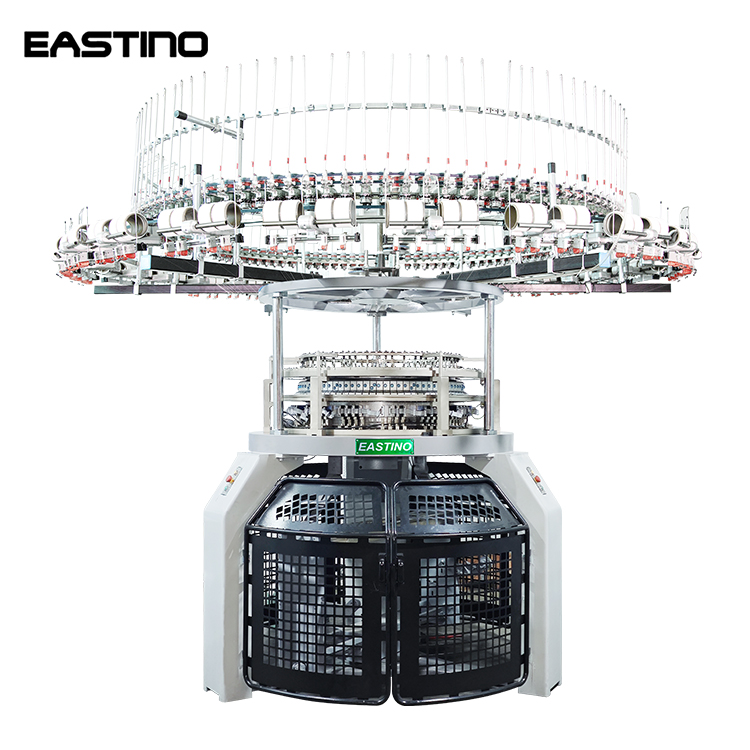
Key Advantages for Garment Accessory Producers:
- Superior Elastic Recovery: High-density rib stitch structure prevents collars and cuffs from stretching out after repeated industrial laundering.
- Crisp Multi-Color Striping: Supports clean color separation and sharp geometric circular knitting machine patterns for branded polo collars.
- High ROI & Low Maintenance: Delivers continuous high-speed trim production at a fraction of flat-bed machine capital costs.
2. Precision Yarn Feeding & High-Tension Rib Mechanics
Knitting tight, narrow garment bands requires positive yarn feeding control and reinforced cam tracks capable of handling heavy cotton, polyester, and spandex-plated yarns.
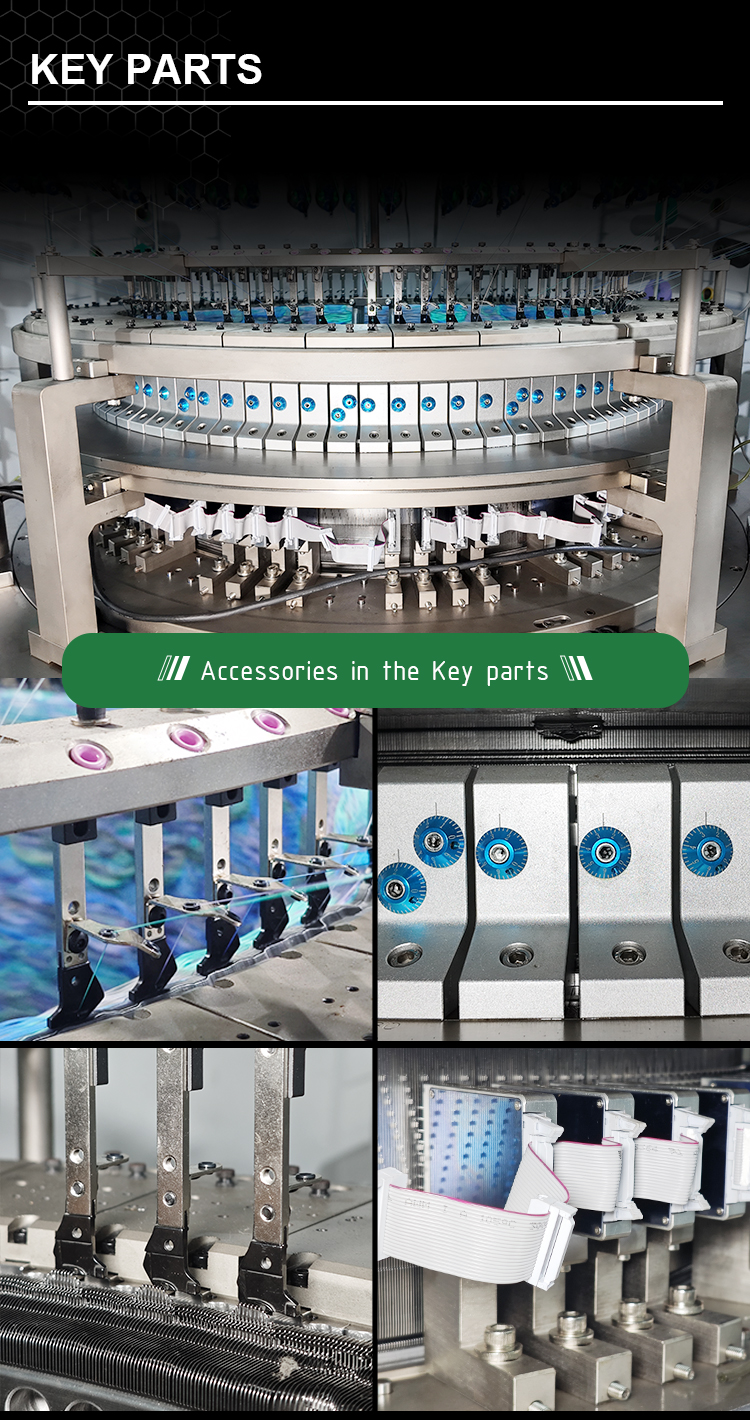
- Calibrated Positive Feeders: Guarantee identical yarn length per course to maintain strict collar width tolerances.
- Hardened Alloy Cam Tracks: Resist wear under high-tension rib knitting loads.
- Rapid Width & Pattern Adjustment: Allows operators to quickly adapt settings for different garment sizes and stripe layouts.
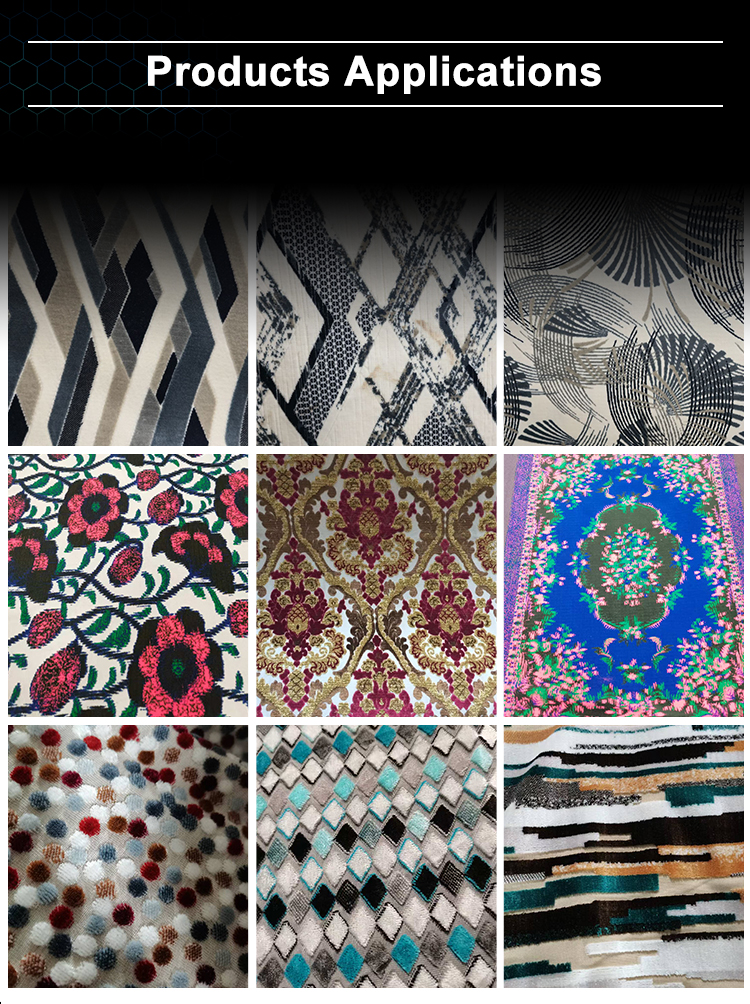
3. High-Density Collar, Cuff & Waistband Fabric Samples
Trims knitted on the XW machine feature firm, flat-lying edges, vibrant stripe definition, and exceptional durability—meeting the strict specifications of international sportswear and workwear brands.
4. Maintenance & Troubleshooting Best Practices
- Yarn Tension & Waxing Audits: Ensure proper yarn lubrication to reduce friction during tight rib loop formation.
- Regular Needle & Sinker Checks: Replace worn latch needles promptly using precision textile spare parts to prevent dropped stitches along trim borders.
- Daily Lint & Dust Blow-Down: Keep yarn carriers and dial slots clean for uninterrupted multi-shift operation.
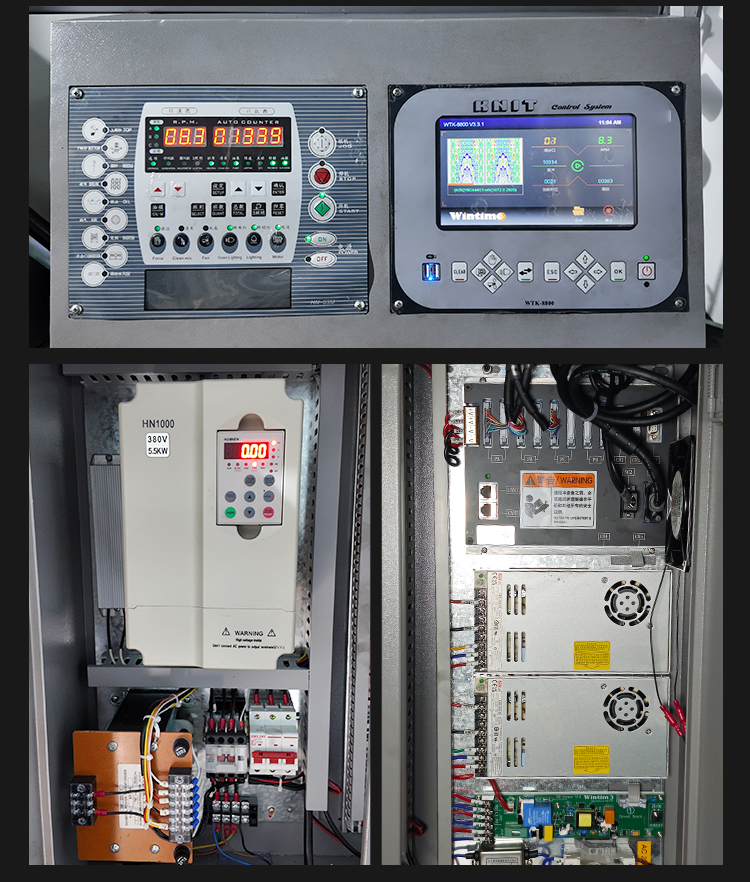
Partner with EASTINO for Garment Trim Machinery
Looking to boost your factory’s collar, cuff, and rib trim production? Explore our specialized Small Circular Knitting Machines , high-output Double Jersey Rib Machines , and precision Textile Spare Parts .
- Comparing collar knitting machine prices or need custom trim samples? Contact EASTINO’s export sales team today for detailed specifications and factory-direct quotes!
Post time: Nov-21-2026