
Proper maintenance of a circular knitting machine is essential to ensure stable operation, reduce downtime, and extend the lifespan of key components. Regular inspection and preventive care can significantly improve production efficiency and fabric quality while minimizing costly repairs.
This guide covers essential maintenance procedures, common mechanical issues, and best practices for textile manufacturers and technicians.
Why Circular Knitting Machine Maintenance Is Critical
Circular knitting machines operate at high speed and rely on precise coordination between needles, cams, cylinders, and yarn feeding systems. Without proper maintenance, even minor mechanical wear can lead to:
Needle damage
Fabric defects
Machine vibration
Increased downtime
Reduced production efficiency
Routine maintenance helps prevent these issues and ensures consistent fabric output.
Key Components That Require Regular Inspection
1.Needles and Needle Beds
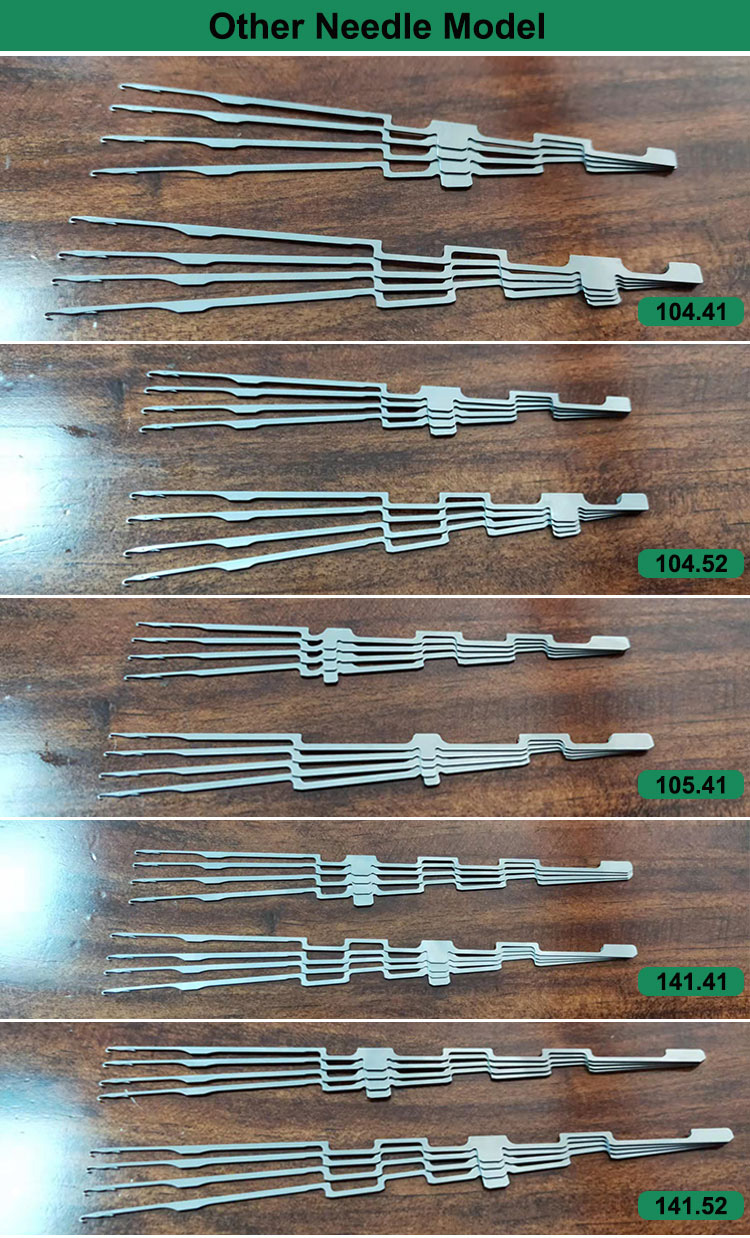
Knitting needles are among the most critical and frequently worn components.
Maintenance recommendations:
Inspect needles regularly for bending, wear, or damage
Replace worn or damaged needles immediately
Ensure smooth needle movement within the needle slots
Clean needle beds to prevent lint buildup
Damaged needles can cause fabric defects such as dropped stitches, holes, and uneven loops.
2.Cylinder and Dial System
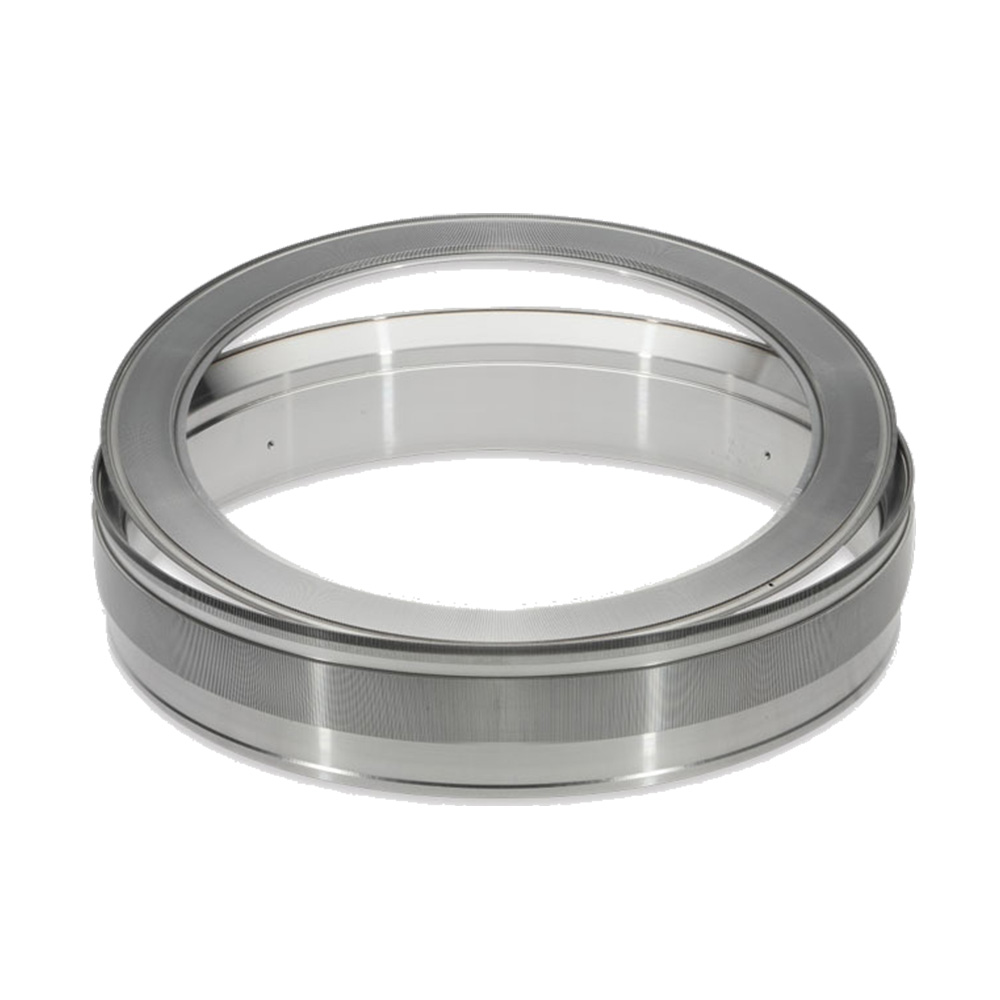
The cylinder and dial are core components responsible for loop formation.
Maintenance tips:
Check for abnormal wear or scratches
Ensure proper lubrication
Remove lint, dust, and yarn debris
Verify correct alignment
Poor cylinder maintenance can result in:
Increased friction
Needle breakage
Machine vibration
Reduced knitting precision
3. Cam System Inspection
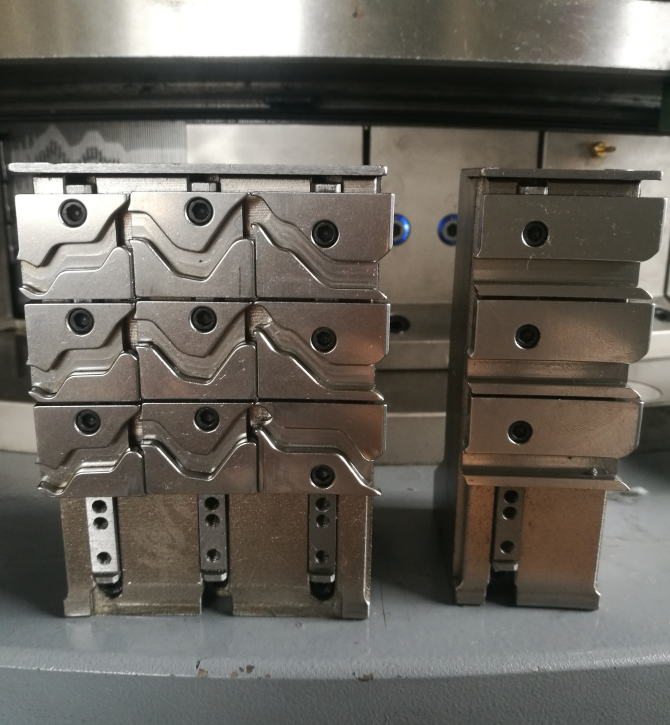
The cam system controls needle movement and directly impacts knitting quality.
Maintenance best practices:
Inspect cam tracks for wear or damage
Ensure cams are securely installed
Clean cam surfaces regularly
Check for abnormal noise during operation
A worn cam can cause inconsistent loop formation and fabric defects.
4.Lubrication System Maintenance
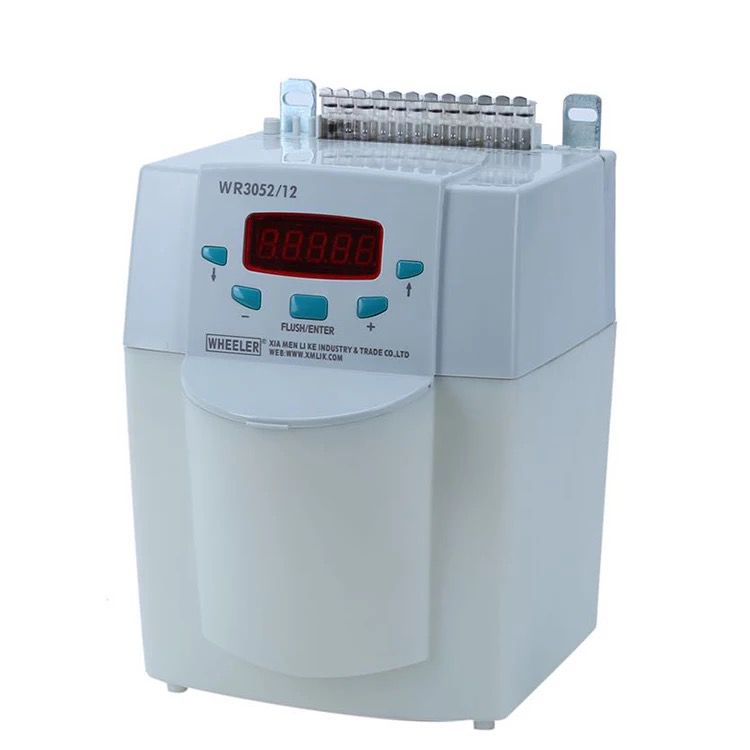
Proper lubrication reduces friction and protects moving components.
Use manufacturer-recommended lubricants
Maintain proper oil levels
Ensure oil lines are not blocked
Regularly check the automatic lubrication system
Insufficient lubrication can lead to overheating and premature component failure.
5.Yarn Feeding System Inspection
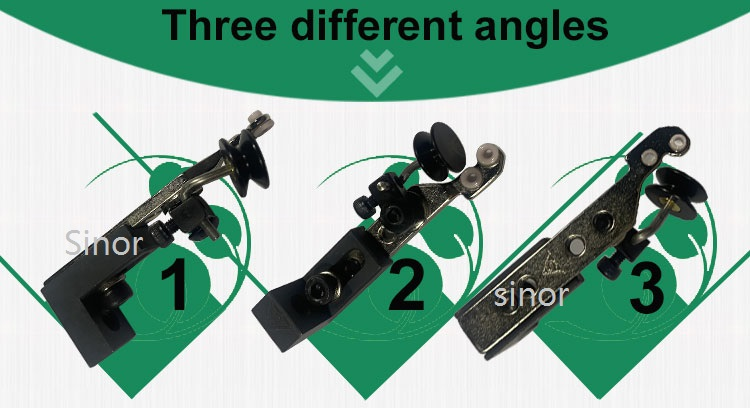
The yarn feeding system ensures consistent yarn tension and smooth fabric formation.
Maintenance recommendations:
Check yarn feeders for smooth operation
Ensure proper yarn tension
Remove lint accumulation
Verify alignment
Improper yarn feeding can result in uneven fabric density and defects.
Common Circular Knitting Machine Problems and Solutions
Problem: Frequent Needle Breakage
Possible causes:
Worn cams
Poor lubrication
Needle slot contamination
Improper machine settings
Solution:
Replace worn components
Clean and lubricate regularly
Adjust machine settings correctly
Problem: Machine Vibration or Noise
Possible causes:
Loose components
Worn cylinder
Improper lubrication
Solution:
Tighten components
Inspect cylinder condition
Improve lubrication
Problem: Fabric Defects
Possible causes:
Damaged needles
Incorrect yarn tension
Cam wear
Solution:
Replace damaged needles
Adjust yarn tension
Inspect cam system
Preventive Maintenance Checklist for Circular Knitting Machines
Daily maintenance:
Clean lint and dust
Check needle condition
Inspect yarn feeders
Weekly maintenance:
Inspect cam system
Check lubrication system
Clean needle beds
Monthly maintenance:
Inspect cylinder condition
Check alignment
Perform full system inspection
Best Practices to Extend Circular Knitting Machine Lifespan
To maximize machine performance and longevity:
Follow a preventive maintenance schedule
Use high-quality spare parts
Maintain proper lubrication
Train operators properly
Address issues early before major failures occur
Proper maintenance can significantly reduce downtime and increase production efficiency.
Conclusion
Regular maintenance of circular knitting machines is essential for ensuring consistent fabric quality, minimizing downtime, and maximizing equipment lifespan. By implementing proper inspection routines, lubrication practices, and component replacement schedules, textile manufacturers can achieve optimal performance and long-term operational reliability.
Post time: Feb-08-2026