
Circular Knitting Machine Fabric Defects: Causes, Prevention, and Maintenance Solutions
Fabric defects in circular knitting machines directly impact textile quality, production efficiency, and operational costs. Understanding the root causes of these defects and implementing proper maintenance procedures can significantly improve machine performance and fabric consistency.
This guide explains common fabric defects, their causes, and proven solutions used by textile professionals.


Common Causes of Fabric Defects in Circular Knitting Machines
Fabric defects usually result from mechanical wear, improper machine adjustment, or component failure. The most common causes include:
Worn or damaged knitting needles
Cam system wear or misalignment
Cylinder or dial damage
Improper yarn feeding
Insufficient lubrication
Machine vibration or instability
Identifying the root cause early prevents production losses and improves fabric quality.
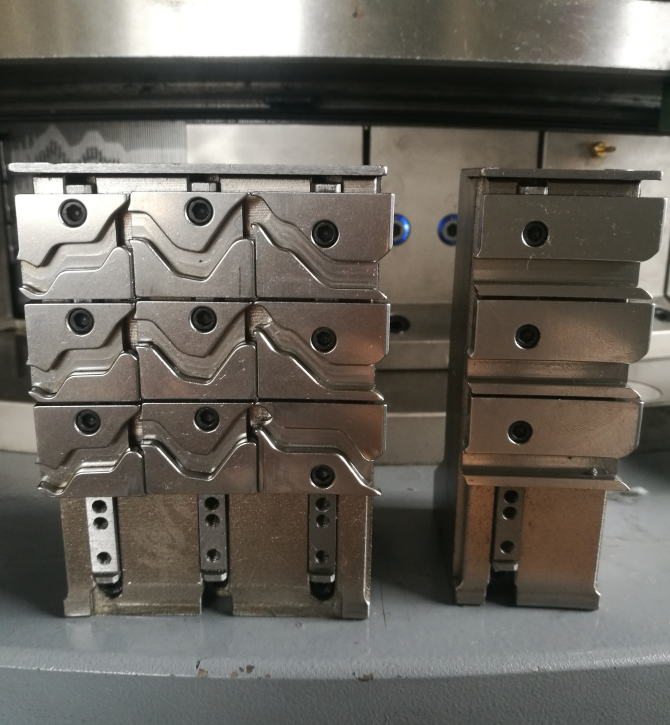
Knitting Needle Condition and Fabric Quality
Knitting needles are critical components in circular knitting machines. Needle wear or deformation can lead to several fabric defects, including:
Dropped stitches
Vertical lines
Uneven loops
Holes in fabric
Preventive measures include:
Regular needle inspection
Immediate replacement of damaged needles
Using high-quality knitting needles
Maintaining proper lubrication
Proper needle maintenance ensures consistent loop formation and fabric uniformity.

Cam System Wear and Its Impact on Fabric
The cam system controls needle motion and loop formation. Worn or damaged cams may cause:
Irregular fabric patterns
Uneven stitch density
Needle breakage
Increased machine vibration
Maintenance recommendations:
Inspect cam surfaces regularly
Replace worn cams
Maintain clean cam tracks
Ensure proper cam alignment
Proper cam maintenance ensures stable machine performance.
Cylinder and Dial Maintenance
The cylinder and dial directly affect knitting accuracy and fabric quality.
Common issues include:
Surface wear
Misalignment
Debris accumulation
Maintenance solutions:
Regular cleaning
Proper lubrication
Surface inspection
Alignment verification
Proper cylinder maintenance prevents needle damage and fabric defects.

Yarn Feeding System and Fabric Consistency
Improper yarn feeding can lead to fabric defects such as:
Uneven fabric density
Yarn tension inconsistency
Pattern distortion
Maintenance procedures:
Inspect yarn feeders
Maintain proper yarn tension
Clean yarn feeding components
Ensure stable yarn delivery
A properly maintained yarn feeding system improves fabric consistency.

Lubrication and Machine Stability
Lubrication is essential for reducing friction and preventing premature wear.
Poor lubrication can cause:
Component wear
Increased friction
Machine overheating
Reduced machine lifespan
Maintenance best practices:
Use high-quality lubrication oil
Maintain proper oil levels
Inspect lubrication system regularly
Preventive Maintenance Checklist
Daily Maintenance:
Inspect knitting needles
Clean machine surfaces
Check yarn feeding system
Weekly Maintenance:
Inspect cam system
Check lubrication
Clean cylinder and needle bed
Monthly Maintenance:
Inspect cylinder wear
Check alignment
Perform full machine inspection
Benefits of Proper Circular Knitting Machine Maintenance
Implementing proper maintenance procedures provides the following benefits:
Improved fabric quality
Reduced machine downtime
Extended machine lifespan
Lower maintenance costs
Improved production efficiency
Preventive maintenance is essential for stable textile production.
Conclusion
Fabric defects in circular knitting machines are often caused by worn components, improper maintenance, or mechanical misalignment. Regular inspection, preventive maintenance, and timely replacement of critical parts ensure consistent fabric quality and optimal machine performance.
Investing in proper maintenance reduces downtime, improves productivity, and ensures long-term operational reliability.
Post time: Feb-14-2026